Looking to book a massage?
Appointments are available daily. Choose your service and time online.
Massage therapy in Reno isn’t one-size-fits-all. At Reno Massage Tree, sessions are built around what your body actually needs, whether that’s reducing stress, relieving muscle tension, improving movement, or helping you recover after activity.
This guide gives you a clear overview of our services, how to choose the right one, and what to expect when you book.
Massage therapy is commonly used to address:
Regular sessions can help:
According to the National Institutes of Health, massage therapy may help reduce pain, anxiety, and stress-related symptoms.
If you’re not sure what to book, this table makes it simple:
| Goal | Best Option | Pressure | Best For |
| General relaxation | Full Body | Light–Moderate | Stress relief, overall tension |
| Chronic tightness or pain | Deep Tissue | Moderate–Firm | Neck, back, shoulders |
| Active lifestyle / recovery | Sports Recovery | Moderate–Firm | Gym, skiing, biking |
| Swelling or recovery | Lymphatic Drainage | Light | Post-surgery, fluid retention |
| Stress relief | Stress Relief | Light–Moderate | Relaxation, sleep, mental reset |
Start with your main concern. The session can be adjusted as needed.
👉 Book your session online or call us at (775) 657-9372 if you have questions.
Deep Tissue and Sports Recovery are often confused, but they serve different purposes.
This type of work focuses on breaking up chronic tension in specific areas. Deep tissue massage is best if you have a problem spot like your neck, shoulders, or lower back.
Sports Recovery Massage is more about keeping your body moving well overall. It helps reduce soreness, maintain flexibility, and support recovery after activity.
If you have a specific issue → Deep Tissue
If you’re active and want overall recovery → Sports Recovery
Pressure should match your comfort level and your goal. Light to moderate pressure works well for relaxation and general tension, while moderate to firm pressure is better for deeper muscle tightness.
More pressure is not always better. The goal is to work effectively without creating unnecessary soreness.
60 minutes
Good for general work or focusing on one main area.
90 minutes
Best overall option. Allows time for full body work plus attention to problem areas.
120 minutes
Ideal for deeper work, multiple problem areas, or a more thorough session.
Uses slower, deeper pressure to work through chronic muscle tension and tight areas. Best for ongoing stiffness or localized pain.
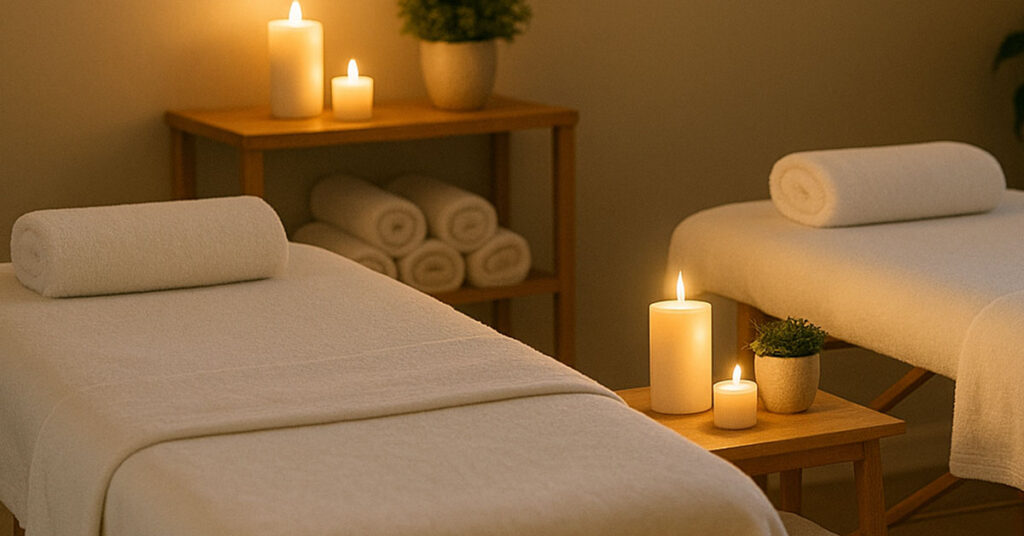
A couples massage is a shared session in the same room. Each person receives a customized massage based on their own preferences, including pressure and focus areas.
A lighter technique focused on moving fluid through the body. Often used for swelling or recovery.
A lighter, slower session designed to reduce tension and calm the nervous system. Best for stress, mental fatigue, and improving sleep.
Designed for active individuals. Helps reduce soreness, maintain flexibility, and support recovery.
Focused work on the feet that can help reduce tension and improve circulation.
👉 See our full menu of massage therapy services.
These can be added to most sessions:
When to add them:
Back and neck discomfort are the most common reasons clients book massage.
Techniques like Deep Tissue, Sports Recovery, and Cupping are often used to:
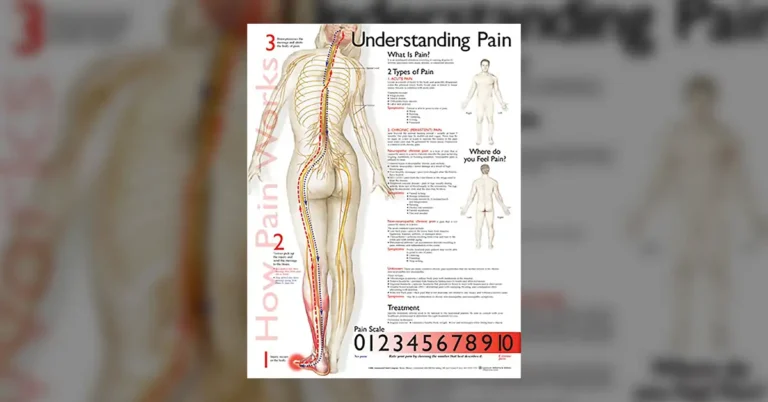
If you want a clearer understanding of why pain builds up and how massage helps, read:
👉 Understanding Pain: How Your Body Communicates Discomfort
The Mayo Clinic also notes that massage can help reduce stress and support overall physical and mental health.
Reno makes it easy to stay active, from skiing at Mt. Rose to hiking and biking local trails.
Massage helps you:
Staying active is a big part of being in Reno. If you’re planning your time here:
👉 Discover Reno
👉 Explore in Summer
👉 Explore in Winter
Before your session
You’ll share your goals and any problem areas. Some of our therapists have limited English, but they are highly skilled. Clear, simple communication about pressure and focus areas works well.
During your session
Pressure and technique are based on your preferences. Let your therapist know early if you’d like more or less pressure. Simple, direct feedback works best.
After your session
It depends on your goal:
Occasional stress relief → As needed
Ongoing tension or discomfort → Every 2–4 weeks
Active lifestyle → Regular sessions help maintain recovery and prevent buildup
Consistency matters more than intensity.
Booking is simple:
You come in with tension or soreness and leave feeling better. That’s the goal.