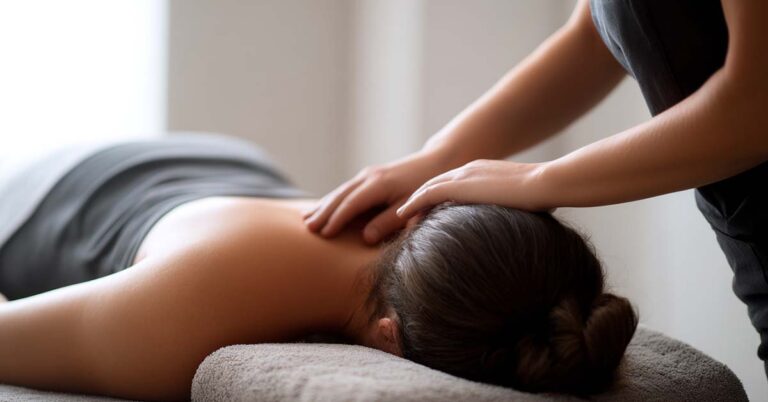
Looking to book a massage?
Appointments are available daily. Choose your service and time online.
Appointments are available daily. Choose your service and time online.

At Reno Massage Tree, our sports recovery massage is designed to support active lifestyles year-round. Whether you are well into your training plan or just getting started, consider adding it to your schedule.
It is common to see elite athletes receiving sports massages before and after events. However, this form of recovery is often overlooked by amateur athletes and those who participate in sports for enjoyment and fitness.
Here’s what sports recovery massage can offer, no matter your level of participation.
Sports recovery massage is a modern and refined form of massage therapy. Because of this, it incorporates many techniques found in other types of massage, along with additional methods designed specifically for athletic recovery.
Some familiar techniques include effleurage and petrissage. Even if the terms are unfamiliar, most people recognize the movements. These include circular stroking motions and firm squeezing with the palm.
From here, the focus becomes more specialized.
Here are the specifics that make this massage truly special:
Unlike many traditional forms of massage, sports recovery massage often incorporates myofascial techniques. These methods help identify the true source of pain, including areas where discomfort may be radiating from a specific point within the affected muscle.
Myofascial release is one of several neuromuscular techniques used to support recovery. Neuromuscular therapy focuses on relieving both acute and chronic pain patterns. Techniques may include targeted pressure, controlled stretching of tight muscles, and guided home self-treatment.
Sports recovery massage also requires active participation. Unlike a typical relaxation session, there is often “homework” involved. To experience full benefits, clients are encouraged to follow through with regular stretching and foam roller use between sessions.
The effects of myofascial release are felt deep within the muscle tissue. This can reduce pressure on the joints and decrease pain in the treated area. Sports recovery massage also addresses more than just muscle fibers. It works with the entire soft tissue system, including ligaments, tendons, and fascia, which is the thin layer of connective tissue that surrounds muscle.
By focusing directly on overworked areas caused by strenuous athletic activity, the musculoskeletal system can function more efficiently. Therapists may also incorporate techniques such as Gua Sha, Cupping Therapy, and assisted stretching to help loosen and open tight regions.
There are similarities among many types of massage therapy, which can sometimes create confusion.
As the name suggests, deep tissue massage focuses on the deeper layers of soft tissue. It uses firm pressure to release tension and break up newly formed knots. This approach is especially effective for recent or minor aches and pains.
Sports recovery massage, on the other hand, is often more focused on long-term patterns of tension. It is particularly helpful for aches and tightness that have developed over time. These issues are often more persistent and may be linked to repetitive training or sustained physical stress.
Both sports recovery and deep tissue massage share similar techniques and goals. However, sports recovery massage takes a broader, more performance-based approach. It supports ongoing training, injury prevention, and structured recovery.
Deep tissue massage can be highly effective for general muscle discomfort, including concerns such as low back pain or repetitive strain injuries. When soreness or injury continues due to intensive training or a highly active lifestyle, many people turn to sports recovery massage for more targeted, ongoing support.
Almost anyone can benefit from sports recovery massage.
Whether you train competitively or simply stay active for your health, sports recovery massage can support your goals.
You might be working toward a personal best. If you are new to training, you may be feeling sore from unfamiliar movement. Others are returning from an injury and rebuilding strength. Some simply want to prevent injury after regular jogs or gym sessions.
In each of these situations, sports recovery massage helps your body recover more efficiently. It reduces muscle tension and prepares you for your next session.
If your primary goal is general relaxation rather than performance or injury prevention, you may prefer our Stress Relief Massage. Sports recovery massage, however, is specifically designed for structured training and active lifestyles.
Sports recovery massage can be effective during preparation, training, competition, and recovery. The emphasis of the treatment will vary depending on the stage and your specific goals.
A regular treatment plan can be developed based on your sport and level of participation. Sessions may focus on specific muscle groups to maintain or improve range of motion and flexibility. Areas prone to strain can be addressed proactively to help prevent injury.
Your massage therapist may also recommend stretches or exercises to help you maintain the benefits between sessions.
Massage can be tailored before or after an event to serve different purposes.
Pre-event massage works alongside your warm-up to increase circulation, reduce muscle tension, and support mental readiness. Post-event massage helps enhance recovery by reducing muscle spasms and metabolic buildup.
Effective pre- and post-event treatment can help you return to training sooner and lower the risk of injury.
If you are returning to sport after an injury, sports recovery massage can support rehabilitation, promote healing, and reduce discomfort. The techniques used in sports massage can be effective for both acute and chronic injuries.

Sports recovery massage helps release and reduce muscle tension. It improves circulation and supports the removal of waste products such as lactic acid after high-intensity activity. It also encourages the body to relax.
Together, these effects promote faster recovery and reduce the risk of muscle injury.
Athletes who are prone to overuse injuries often benefit from receiving massage between training sessions. This allows the muscles time to relax and recover more fully before the next workout.
Beyond the physical benefits, sports recovery massage can also help athletes mentally prepare for training or competition.
A sports recovery massage is an excellent way to go if you want faster recovery or injury prevention. However, if you cannot participate in your favorite sport due to injury or struggle to perform at your best because of nagging issues, speak with your massage therapist before treatment so specific concerns can be addressed.
Sports recovery works best when combined with other recovery tools like stretching, foam rolling, and proper hydration. Adding massage into that mix helps athletes recover faster and reduce the risk of overuse injuries.
Techniques such as Cupping Therapy can further enhance circulation and muscle recovery, helping your body feel balanced and ready for the next workout.
To better understand how the body processes discomfort and why massage helps interrupt the pain cycle, read Understanding Pain: How Your Body Communicates Discomfort.
The goal isn’t just to recover from yesterday’s workout. It’s to stay healthy enough to train tomorrow.
Sports recovery massage supports recovery, improves performance, and helps prevent the buildup of chronic tension that leads to injury.
Support your body before problems start.